

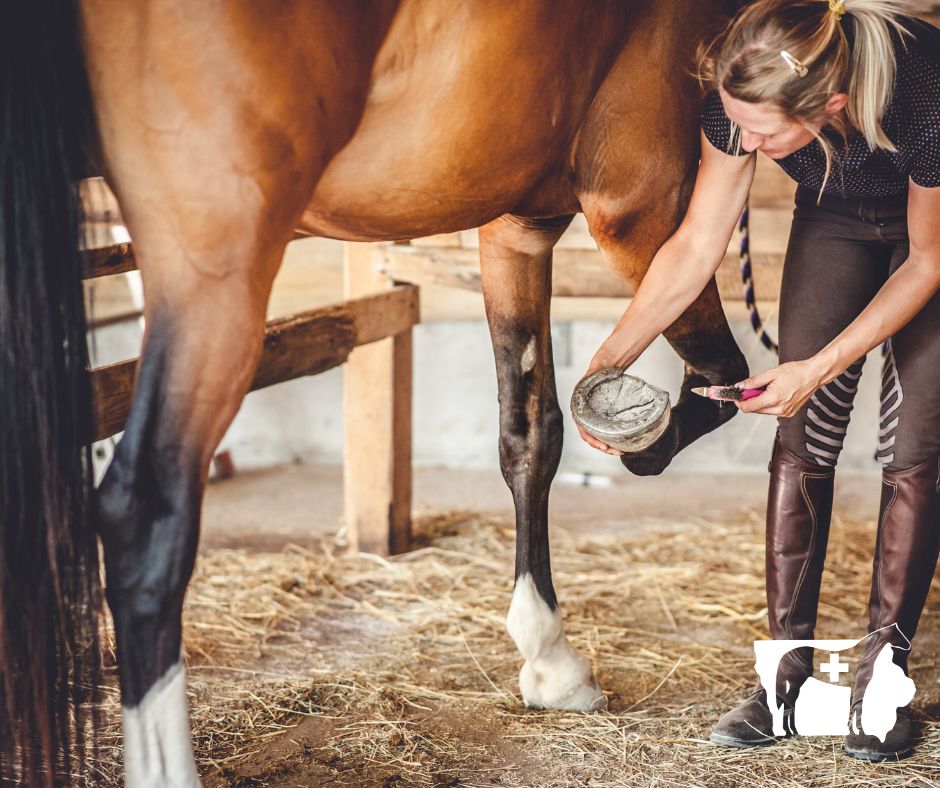
Routine veterinary care is the foundation of a long, healthy, and comfortable life for your horse. While many owners recognize the importance of calling the veterinarian during emergencies, preventative care and early detection of illness are just as important. Knowing when your horse should see the vet and how to recognize signs of illness can make a meaningful difference in your horse’s overall health.
When Should My Horse See the Vet?
Even healthy horses should see a veterinarian on a regular basis. Routine exams allow subtle changes to be identified early—often before they turn into larger, more costly issues.
Most horses should have a veterinary exam at least once a year, though some horses benefit from more frequent visits depending on age, workload, and medical history.
Common reasons to schedule a routine veterinary visit include:
- Annual wellness exams
- Vaccinations based on lifestyle and risk
- Dental exams and floating
- Parasite control planning
- Senior horse evaluations
- Pre-purchase exam
- Soundness exams
You should also contact your veterinarian if you notice:
- Sudden weight loss or gain
- Changes in appetite or water intake
- Lameness or stiffness
- Coughing, nasal discharge, or breathing changes
- Diarrhea or signs of colic
- Behavioral changes or decreased performance
If you’re ever unsure whether something warrants a veterinary visit, it’s always better to call and ask. Early care can prevent minor concerns from becoming major problems.
How Can I Tell If My Horse Is Sick?
Horses are prey animals and instinctively hide signs of illness. Often, the earliest indicators are small changes in behavior or routine.
Signs your horse may be sick include:
- Decreased or absent appetite
- A dull or withdrawn attitude
- Changes in manure consistency or frequency
- Restlessness or increased time lying down
- Fever or elevated heart and respiratory rates
- Nasal discharge, coughing, or excessive sweating
- Swelling, heat, or sensitivity in the legs
- Stiffness, lameness, or reluctance to move
Knowing what is normal for your horse is one of the most valuable tools you have. If your horse seems “off,” trust your instincts and reach out to your veterinarian.
Why Preventative Care Matters
Routine veterinary care helps keep your horse healthy, comfortable, and performing at their best. Preventative care allows veterinarians to:
- Detect disease early
- Adjust care plans as horses age
- Prevent dental, metabolic, and musculoskeletal issues
- Keep vaccinations and parasite programs current
At Iowa Equine, we believe proactive care is the key to long-term equine health and strong partnerships with horse owners.
Your Partner in Equine Health
You know your horse best and at Iowa Equine, we’re here to support you at every stage of their life. From routine wellness exams to addressing concerns at home, our team is dedicated to providing high-quality, individualized equine care.
If you have questions about routine horse care or would like to schedule an appointment, contact Iowa Equine today. Together, we can help your horse stay healthy and thrive.