

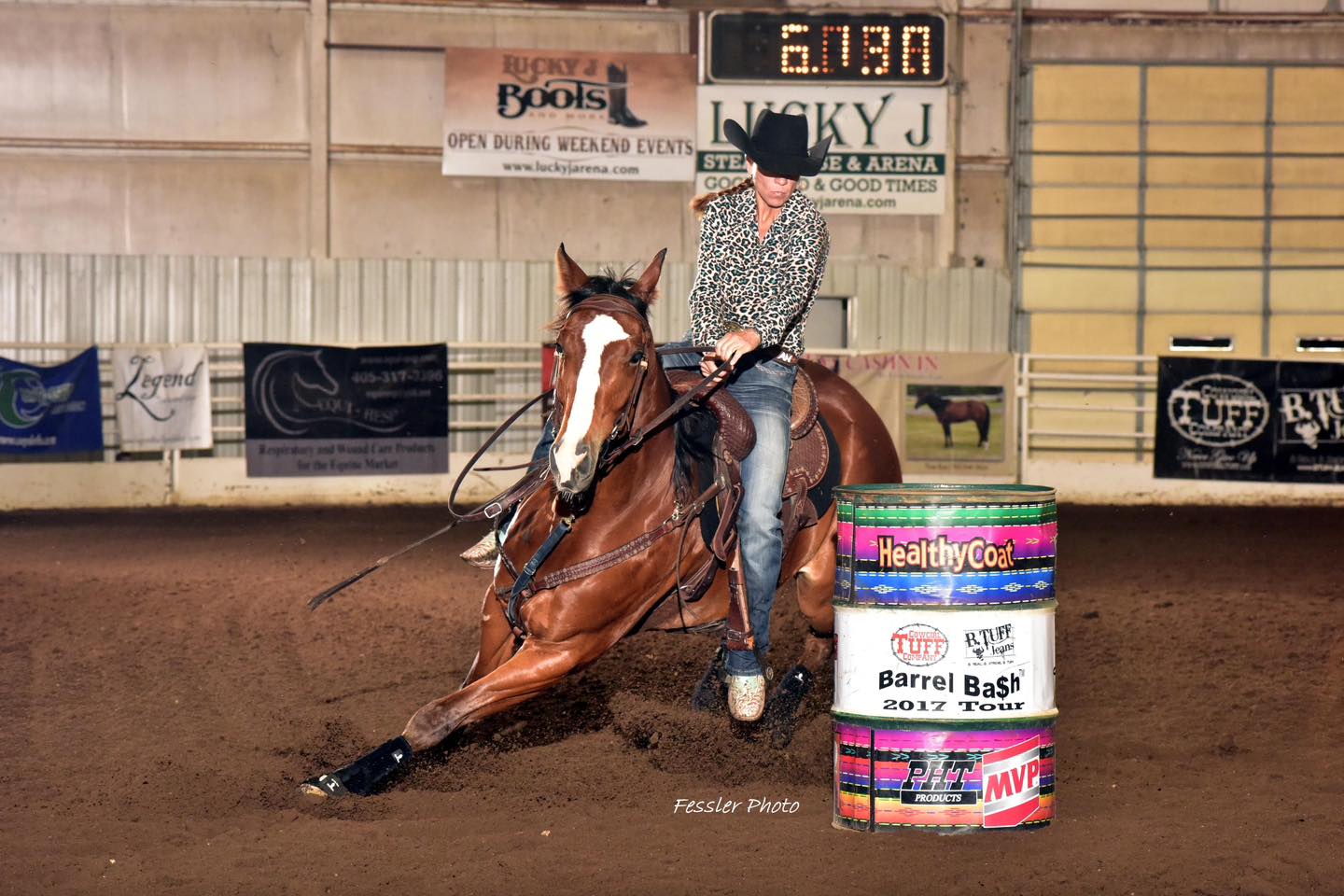
What Does Mild Hind End Soreness Really Mean in Performance Horses?
Short answer: Mild hind end soreness is often an early warning sign—not a diagnosis—and it deserves thoughtful evaluation rather than assumptions.
Why hind end soreness is tricky
The hind end includes multiple joints, muscles, and soft tissue structures working together. Subtle soreness may originate from:
- Hocks or stifles
- Sacroiliac region
- Epaxial (back) muscles
- Compensatory strain from front-end pain
Because horses compensate extremely well, early hind end discomfort often shows up as vague signs rather than obvious lameness.
Common signs owners notice
- Difficulty picking up or maintaining a lead
- Asymmetry between leads
- Reduced impulsion
- Inconsistent transitions
- Subtle resistance or behavior changes
These signs are frequently dismissed as training or attitude issues, but they are often the horse’s way of expressing discomfort.
Why early evaluation matters
Addressing mild soreness early allows for:
- Conservative management
- Supportive therapies (acupuncture, dry needle therapy, rehab)
- Avoidance of advanced joint degeneration
Waiting until soreness becomes obvious lameness often limits treatment options. When we optimize a horses movement in the early stages of asymmetry, we help reduce the wear and tear that joints experience through compensatory movements.
What evaluation usually includes
A thorough assessment typically involves:
- Full lameness and movement exam
- Acupuncture scan
- Palpation of muscles and back
- Flexion testing when appropriate
- Targeted imaging as indicated
When owners should reach out
If hind end soreness persists longer than a few weeks, worsens with work, or affects performance consistency, a veterinary exam is warranted.
About the author:
Rozann Stay, DVM, is an equine veterinarian at Iowa Equine with a special interest in identifying subtle performance-limiting issues before they become career-ending problems.